Guide Overview
- Dog leash price factors
- Materials and features
- Fit and care
- Buying checklist
Dog leash prices vary because leashes are built for different dogs, walking routines and levels of control. Material, length, hardware and added features all affect what you pay. The best value is not automatically the cheapest or most expensive option—it is the leash that fits your dog, feels secure in your hand and suits how you walk together.
If you are ready to compare options, browse our collars and leashes collection while using the buying points below.
What Determines the Cost of a Dog Leash?
Material and construction
Nylon, rope, leather and coated materials have different manufacturing costs and care needs. Look beyond the material name: stitching, edge finishing and reinforcement near the clip and handle matter because those areas receive repeated stress.
Clips and other hardware
The clip should close fully, move smoothly and be appropriately sized for the leash and dog. Some designs add extra handles, rings or adjustment points. These features may raise the price, but they are useful only when they match your routine.
Length and width
Longer or wider leashes use more material. Width should be comfortable to hold and proportionate to your dog. A short leash can offer closer control in busy areas, while a longer option may provide more room in appropriate open spaces.
Common Dog Leash Types
- Standard leashes: a straightforward choice for everyday walks and training practice.
- Adjustable leashes: include attachment points that let you change usable length.
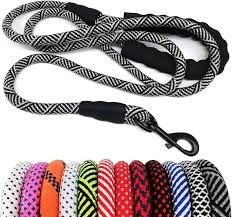
- Rope leashes: can offer a rounded grip and substantial feel.
- Harness and leash sets: coordinate the walking equipment and may simplify fit decisions. See our large dog harness and leash set for a product-specific option.
How to Choose the Right Leash
- Start with your dog: consider size, pulling behavior and comfort with handling.
- Match the environment: busy sidewalks may call for closer control than quiet, open walking areas.
- Check measurements: review the listed length and width instead of judging from photos alone.
- Inspect connection points: confirm that the clip, stitching and handle suit your intended use.
- Choose usable features: an extra handle or adjustable design adds value only if you will actually use it.
Leash, Collar or Harness?
A leash is the connection you hold; a collar or harness is the equipment attached to the dog. Many owners prefer a harness when they want pressure distributed around the body, while collars remain useful for identification and appropriate walking setups. Fit is essential in either case. Follow the product instructions and recheck the fit as your dog grows or changes shape.
What to Check When Buying Online
Read the complete product description, compare measurements with equipment you already own and confirm what is included. Review material and care information, then consider how the leash will be used most often. Our essential pet accessories guide can help you plan the rest of a practical walking, rest and travel setup.
Dog Leash Price FAQs
Why do dog leash prices vary so much?
Differences in material, dimensions, hardware, construction and added features can all affect price. Brand positioning and design also play a role.
Is a more expensive leash always better?
No. The better choice is one that is appropriately sized, securely constructed and comfortable for your normal walks. Features that do not match your needs may add cost without adding value.
What width should I choose for a large dog?
Use the product’s sizing and intended-use information rather than relying on a universal rule. The leash should feel manageable in your hand and the hardware should be proportionate to your setup.
When should a leash be replaced?
Replace it when you notice fraying, damaged stitching, a clip that does not close reliably or other wear that could affect secure use.
Compare Dog Leash Options
Use the checklist above to compare our dog leashes and walking accessories. Choose based on fit, handling and your real walking routine—not price alone.
Dog Leash Prices: What Buyers Should Compare
Dog leash prices vary with material, length, width, hardware, handle design, visibility features, and construction. Price alone does not determine whether a leash suits a particular dog. Review measurements and intended-use guidance, then compare those details with the dog’s size, walking behavior, and daily environment.
Basic fixed-length designs may cost less than leashes with padded handles, reflective details, specialized clips, or other added features. When comparing dog leash prices, check exactly what is included and read the care instructions. A durable product that suits the routine can offer better value than an option chosen only because it has the lowest listed price.
Fit, Inspection, and Long-Term Value
Inspect the leash before each walk and replace it if the material frays, stitching loosens, the handle tears, or the clip becomes damaged. Follow stated cleaning instructions and dry wet gear before storage. These habits help buyers evaluate dog leash prices in the context of everyday use and maintenance.
Compare current products in the PinPets collars and leashes collection. For general walking and training information, review the American Kennel Club training resources. Current product pages remain the source for specifications, availability, delivery, and dog leash prices.