
Pet Anxiety Products can support a thoughtful comfort routine when they are selected for the individual animal and used with appropriate supervision.
Pet Anxiety Products Guide Overview
- Comfort and routine
- Resting spaces
- Enrichment choices
- When to contact a veterinarian
Changes in routine, unfamiliar sounds, travel, separation and a busy home can all affect how a dog or cat behaves. Some pets may pace, hide, vocalize, become restless or seek more distance than usual. These behaviors do not confirm a medical condition, but they can signal that your pet needs closer observation and a calmer environment.
Pet comfort products can support a predictable routine and create places for rest or appropriate play. They are not a substitute for veterinary care or professional behavior advice. If a behavior is sudden, severe, persistent or accompanied by physical symptoms, contact a veterinarian.
Start With the Environment and Routine
Before buying a product, look at what happens before the behavior begins. Note the time of day, sounds, people, other animals and changes in feeding, exercise or sleep. A simple pattern can help you decide whether your pet may benefit from a quieter resting place, more structured activity or a gradual introduction to a new situation.
- Keep feeding, walks, play and bedtime reasonably consistent.
- Provide access to fresh water and a comfortable, low-traffic resting area.
- Introduce new rooms, people, carriers and travel routines gradually.
- Give pets a choice to approach or move away whenever it is safe.
Create a Comfortable Resting Space
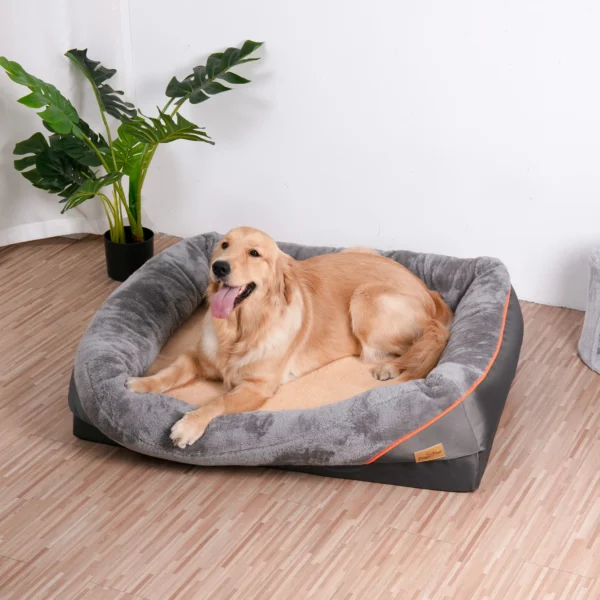
A designated bed can give a dog a familiar place to settle. Choose a size that allows the dog to lie in its normal sleeping position, and place it away from heavy foot traffic when possible. Consider the cover material, cleaning instructions, edge or bolster design and the height your dog must step over.
For larger dogs, compare dimensions carefully before ordering. Our large orthopedic bolster dog bed is one option to review when a supportive, defined resting area fits your dog’s routine. Use the listed product details and measurements to decide whether it is suitable for your space and pet.
Use Enrichment to Support a Balanced Routine
Appropriate play can give cats an outlet for stalking, chasing and pouncing. Rotate toys instead of leaving every toy available all the time, and use short sessions that match your cat’s interest. An interactive toy may add variety, but it should not replace human play or observation.
If your cat enjoys moving objects, explore the rechargeable automatic interactive cat ball and read our interactive cat toy ball buying guide. Always supervise initial use, check the toy for wear and remove it if damaged.
Prepare Pets for Travel Gradually
Travel accessories work best when they are introduced before the trip. Let your pet inspect a carrier, harness or vehicle setup while everything is stationary. Begin with brief sessions and avoid forcing interaction. For dogs traveling by car, choose a setup that fits the vehicle and does not interfere with the driver.
A familiar blanket or bed may help make the space recognizable, but every pet responds differently. Follow applicable restraint guidance and never allow an accessory to block controls, airbags or visibility.
How to Evaluate Pet Comfort Products
Fit and size
Measure your pet and the intended space. Product names such as small, large or jumbo are not consistent across brands, so use the actual dimensions shown on the product page.
Materials and care
Review what touches your pet, how the product should be cleaned and whether any removable pieces require regular inspection. Replace damaged items promptly.
Your pet’s normal behavior
Choose a product based on how your pet rests, plays or travels. A dog that stretches out may need a different bed shape from one that curls up. A cautious cat may prefer slower introductions to an electronic toy.
When to Contact a Veterinarian
Seek veterinary advice when behavioral changes are sudden, intensify, continue despite routine adjustments or appear with pain, appetite changes, vomiting, breathing difficulty, elimination changes or other physical signs. A veterinarian can help rule out health causes and may recommend a qualified behavior professional when appropriate.
Frequently Asked Questions
Do pet products treat anxiety?
No accessory should be presented as a treatment for anxiety. Beds, toys and routine aids may support comfort or enrichment, but they do not diagnose or treat a medical or behavioral condition.
What should I try first?
Begin by observing triggers and restoring a predictable routine. Give your pet an appropriate resting area, activity matched to the species and gradual exposure to new situations. Discuss persistent concerns with a veterinarian.
How many new products should I introduce at once?
Introduce one change at a time when possible. This makes it easier to see how your pet responds and prevents an already cautious pet from becoming overwhelmed.
For a broader checklist covering walking, rest, play, travel and seasonal comfort, see our essential pet accessories guide.
Pet Anxiety Products and Everyday Comfort
Pet Anxiety Products may support a calm routine, but no accessory can diagnose or treat an underlying medical or behavioral condition. Start with predictable feeding, walking, play, and rest times. Give pets access to a quiet space where they can move away from noise or activity without being disturbed.
When comparing beds, blankets, enrichment toys, or other comfort items, review size, materials, cleaning instructions, and intended use. Introduce one change at a time and observe the pet’s response. Remove any product that becomes damaged or creates a chewing, swallowing, or entanglement risk.
When Professional Advice Matters
Sudden, severe, or persistent behavior changes can have medical as well as behavioral causes. Contact a veterinarian if a pet stops eating, injures itself, becomes unusually aggressive, has difficulty breathing, or shows other concerning signs. Do not give calming medication or supplements unless a veterinarian recommends them for that specific pet.
Browse PinPets pet accessories for current product details and availability. The ASPCA pet-care resources offer broader care information. Pet Anxiety Products should be considered one part of an individualized comfort plan, not a substitute for veterinary assessment.
Compare Pet Anxiety Products by size, materials, intended use, cleaning guidance, and the pet’s observed response rather than relying on broad calming claims.